
KENET BOLT Internet Boosts Training Quality at Kajiado East TVC
Nestled in the growing community of Kisaju in Kitengela, Kajiado East Technical and Vocational College is experiencing a remarkable digital transformation. The introduction of the KENET Building Opportunities/Leveraging Technologies (BOLT) internet has significantly enhanced the institution's learning environment, transforming how training is delivered, how students learn, and how the institution is managed. The once persistent challenge of limited internet access has now been replaced by stable connectivity that supports blended learning, online research, and digital communication.
With the institution offering Competency-Based Education and Training, students are able to carry out independent research, watch instructional videos, and apply the knowledge gained in practical sessions, strengthening their understanding of what is taught in class.
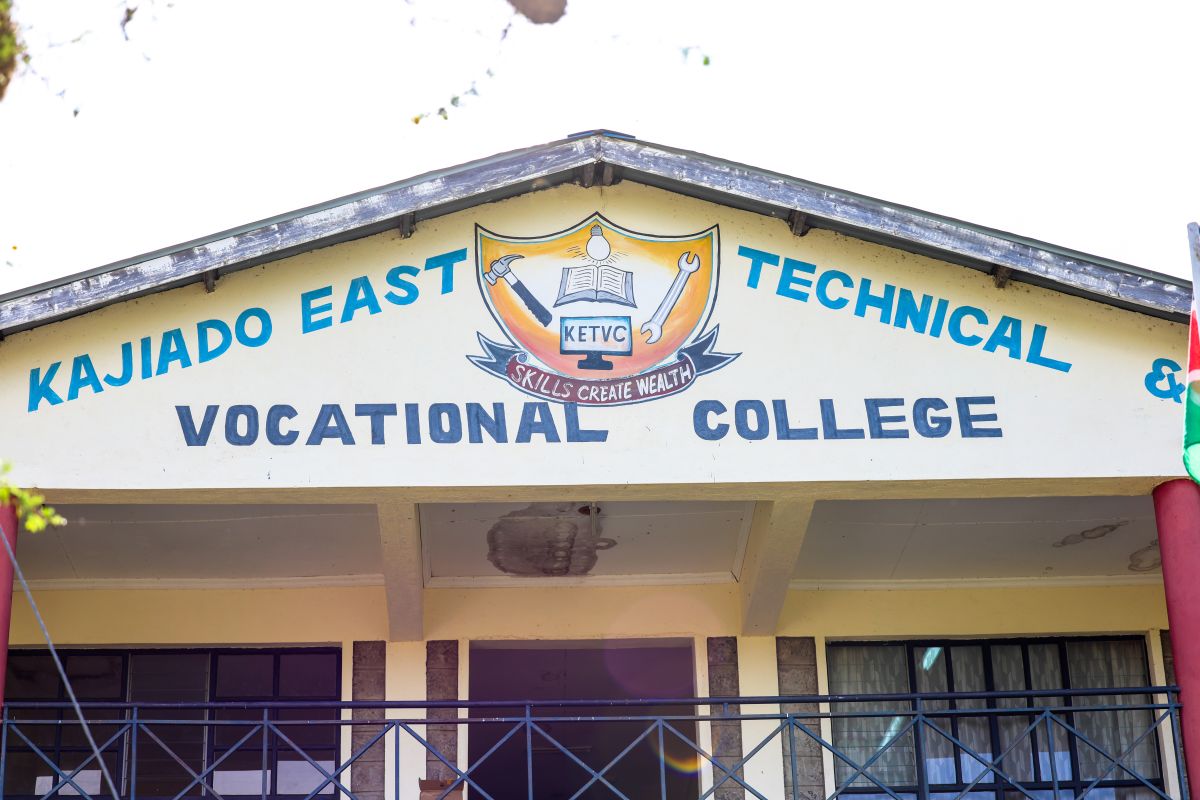
Kajiado East Technical and Vocational College.
During a visit to the institution, the Principal, Madam Kiragu Watiri, noted that before the internet was installed, both students and staff had to buy data bundles whenever they wanted to access online materials and platforms. This made, she said, training at the college difficult and expensive.
She disclosed that since the installation of the high-speed internet during Phase Two of the BOLT project, communication between students and trainers has improved significantly. Platforms such as WhatsApp, Email, and Google Meet are now widely used for virtual classes, sharing assignments, and academic consultations.
“We had students who could not attend college regularly because of work, but we are now able to offer them courses digitally and they only come here for practical lessons. The theory and other communication with trainers are done online. Without internet, it would have been impossible,” remarked the Principal.
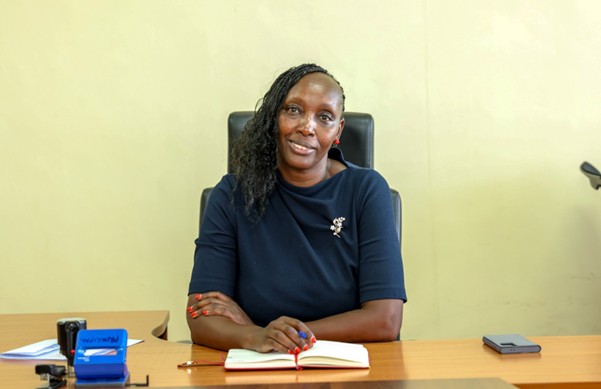
Madam Watiri Kiragu, Principal, Kajiado East Technical and Vocational College.
The impact of connectivity is also evident in the institution’s administrative and communication systems. Meetings that previously required travel to Nairobi, about 62 kilometres away, are now held virtually, saving time and reducing operational costs. Admission letters are also sent electronically, eliminating the need for new students to travel to campus for collection.
According to the Head of ICT, Jackson Mbeva, the institution’s operations have significantly improved since the installation of the internet. “Before the BOLT internet connectivity project, students used to complain a lot because they had difficulties accessing online materials. After the installation, the connectivity has been fast and stable, and complaints have reduced significantly,” said Mbeva.
He added that the institution has also introduced a Management Information System that has improved internal operations. Admissions are done through the ERP system, finance data is captured digitally, trainers upload marks online, and class attendance is generated automatically.
Students at the institution have also reported an improved learning experience. Anita Wendy, an ICT student, noted that learning has become easier and more interactive. “Mostly we learn using YouTube tutorials. There is also Coursera and Alison, which are easy to access because the network is stable,” she said.
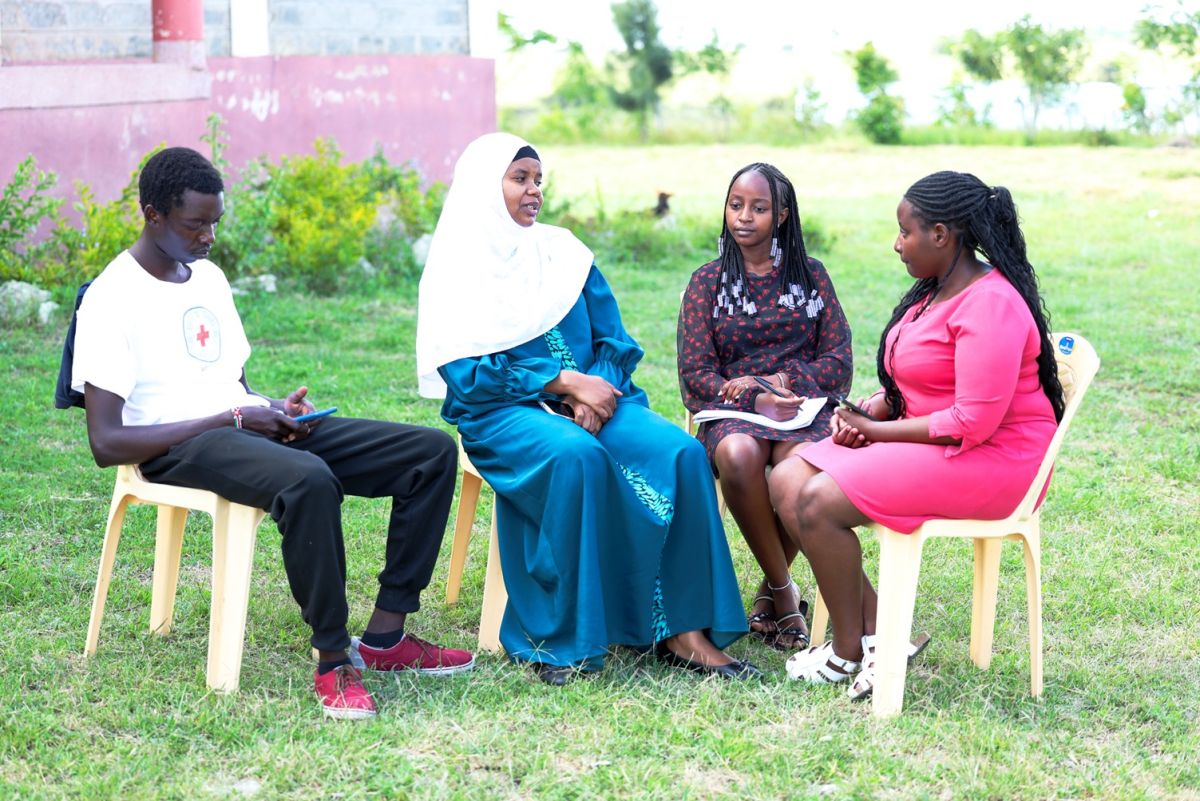
KENET’s Zeinab Mzungu engages students at Kajiado East Technical and Vocational College.
In addition to supporting students and trainers, the benefits are also reaching the surrounding community through the institution’s Jitume Digital Lab, which locals and teachers from nearby schools use to acquire and sharpen digital skills.
During the installation of the BOLT internet, the institution was supplied with key ICT infrastructure, including five access points, routers, switches, and a solar backup system to ensure stable connectivity.
The BOLT program is an initiative funded by the Internet Society Foundation that extends meaningful internet access to institutions in remote and underserved areas, helping to bridge the digital divide and strengthen teaching, learning, and research.