
How AI-Based App is Set to Revolutionize Healthcare in Africa and Beyond
In a world where every plate quietly shapes one’s health, the question is no longer just what we eat, but what lies within it. Yet for millions managing medical conditions or striving for healthier lifestyles, decoding the right amount of nutrients in everyday foods has long been a challenge, often relying on guesswork, labels, or expert knowledge that most people simply don’t have at their fingertips.
Now imagine a different reality: you lift your phone, scan your meal, and within seconds, an AI-based app breaks it down, revealing the actual carbohydrate content and guiding you towards smarter choices. No calculations. No uncertainty. Just clarity.
Dr. Alice Ojwang, a Nutrition and Dietetic Faculty at the Technical University of Kenya (TUK), has developed an app that does exactly that though a project titled “AI in Nutrition: Artificial Intelligence Photographic Application to support carbohydrate management in persons with Type 2 diabetes.” By turning everyday meals into data and insight, CarboAI bridges the gap between science and daily living, empowering individuals to take control of their nutrition, one scan at a time.
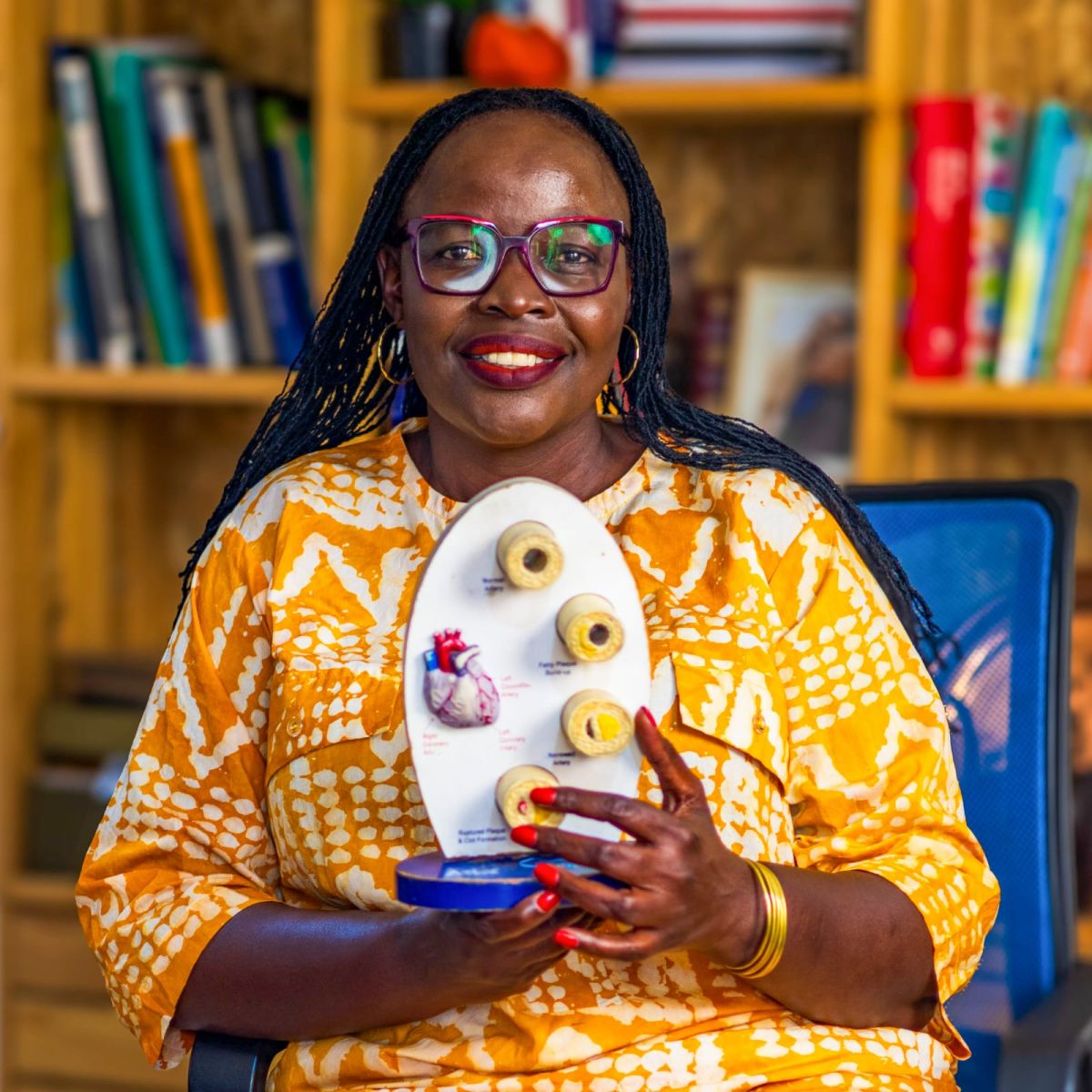
In the course of her career spanning more than two decades, Dr. Ojwang discovered that when people living with Type 2 Diabetes reduce their carbohydrate intake, they are able to better control their blood sugar levels and ultimately reduce their reliance on medication. And those who are committed to lifestyle changes manage to put the condition into remission.
“People cook and eat, but they eat the wrong portions at the wrong time and that affects their health in the long run. We want to support people to understand their foods, the portions they should take, and how they need to eat to have better health. Most importantly is to improve Diabetes outcomes across Africa. We know that within our populations, because of poorly controlled Diabetes, people end up getting complications when they are very young,” she noted.
Dr. Ojwang, the Principal Investigator (PI) of the project, and her team from the Technical University of Kenya started by collecting data, which involved cooking, measuring and weighing up to 6,000 Kenyan foods. They then used food composition tables to calculate the carbohydrate content in each one of them. Images of the foods were subsequently stored in the KENET cloud, annotated and used to train the AI model.
In addition to estimating carbohydrate content and the corresponding sugar levels, the app also provides personalized recommendations on how individuals can adjust their diet, taking into account their weight and any existing medical conditions.
“The carbohydrate content has been classified and estimated as teaspoons of sugar so that the person using understands how different amounts of carbohydrates impact their blood sugar. So, for example, when you scan your food with the application, it tells you you're taking 100 grammes of carbohydrates equivalent to 10 teaspoons of sugar.”
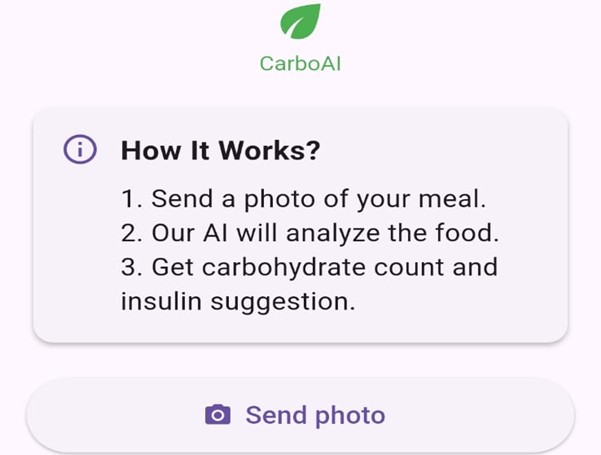
The project was made possible through a $60,000 Amazon Web Services (AWS) Health Equity Grant, awarded in cloud credits after KENET reviewed and submitted the project proposal. Since the project required a server with GPU, the team benefited from KENET’s GPU Cluster for high-performance computing, enabling faster data processing, efficient model training, and improved accuracy in recognizing foods and analyzing their nutritional content.
Looking ahead, Dr. Ojwang is determined to expand the app’s food database to include a wider variety of foods from around the world, along with integrated modules for nutrition education. She also envisions the app playing a key role in shaping policies and guiding public health interventions on Diabetes awareness and management.
To enable global adoption, she plans to have the app translated from English into widely spoken languages, beginning with East African languages, followed by West African languages, and gradually expanding to other regions.